Dermatology Practice Growth Strategies
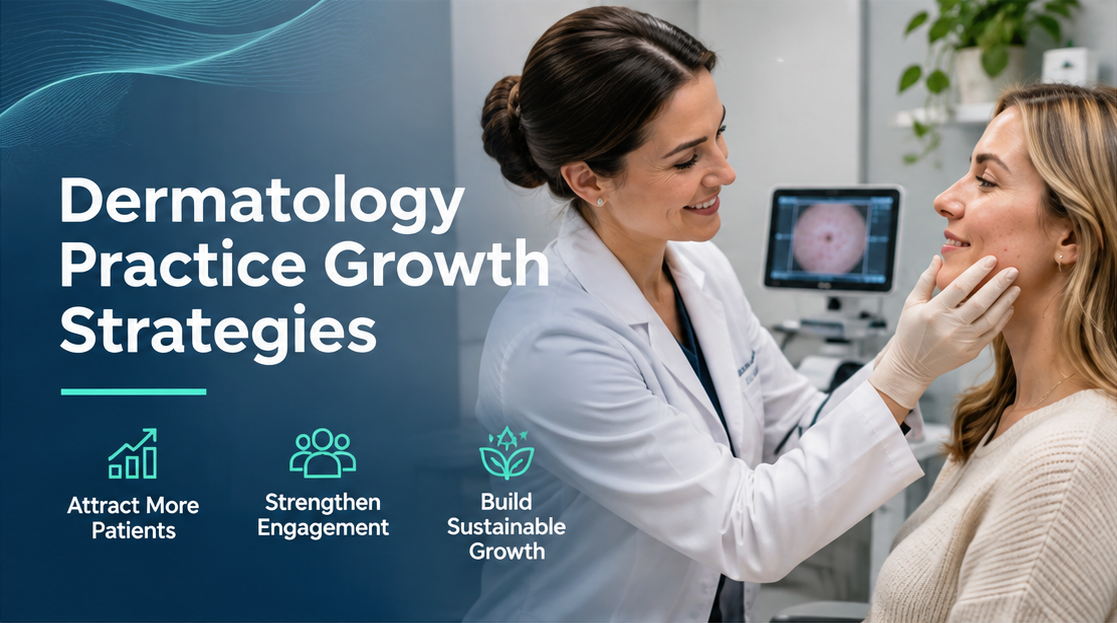
Growing a dermatology practice requires a strategy that balances patient acquisition, appointment access, long-term relationships, and the unique demands of medical, surgical, and cosmetic dermatology.
Whether your practice focuses on general dermatology, skin cancer care, cosmetic procedures, or a combination of services, sustainable growth depends on connecting the right patients with the right services—and creating an experience that builds confidence and encourages lasting relationships.
MVotion helps dermatology practices identify growth opportunities and connect strategy, technology, execution, and measurement through a coordinated Practice Growth Platform.
Understanding the Dermatology Growth Opportunity
Dermatology practices serve patients with a wide range of needs, from routine skin examinations and chronic skin conditions to surgical treatments and elective cosmetic procedures.
These services often involve different patient journeys.
A patient concerned about a changing mole may prioritize timely access, clinical expertise, and insurance participation. Someone researching cosmetic treatments may spend more time comparing procedures, reviewing results, and evaluating provider experience.
Successful dermatology marketing recognizes these differences rather than treating every prospective patient the same.
A coordinated growth strategy helps practices:
-
Improve visibility for priority medical and cosmetic services.
-
Make appointment requests and patient communication more convenient.
-
Strengthen trust through provider expertise, education, and reputation.
-
Maintain relationships with existing patients through appropriate follow-up and recall.
-
Understand which marketing activities contribute to meaningful practice growth.
Common Growth Challenges for Dermatology Practices
Competing for Local Patient Visibility
Prospective patients frequently use search engines, maps, online reviews, and provider websites when evaluating dermatology care.
Practices need a strong local presence, accurate business information, and useful service content to help patients discover their services.
Balancing Medical and Cosmetic Services
Medical dermatology and elective cosmetic services often require different marketing messages and conversion pathways.
A practice seeking to grow cosmetic consultations may need procedure-specific educational content and clear consultation requests, while medical dermatology growth may depend more heavily on appointment availability, geographic access, and insurance-related information.
Converting Website Visitors into Appointments
A professional website alone does not guarantee appointment requests.
Confusing navigation, limited service information, unclear calls to action, or inconvenient scheduling can create unnecessary barriers between patient interest and care.
Retaining and Reengaging Existing Patients
Long-term dermatology relationships may involve ongoing treatment, follow-up visits, skin examinations, and recurring services.
Without organized patient communication and recall processes, practices may miss opportunities to support continuity of care and maintain appropriate patient engagement.
Six Capabilities That Support Dermatology Practice Growth
Your website and digital infrastructure should make it easy for patients to understand your services, evaluate your providers, and take the next step.
A strong foundation includes:
- Mobile-friendly website design and clear navigation.
- Dedicated pages for important dermatology services.
- Convenient appointment and inquiry pathways.
- Connected contact management and communication tools.
- Reliable tracking and reporting infrastructure.
The objective is a consistent digital experience that supports patient trust and reduces friction.
Opportunities may include:
- Local SEO and Google Business Profile optimization.
- Educational content for medical and cosmetic dermatology.
- Service-specific landing pages.
- Targeted advertising when appropriate.
- Website conversion improvements.
The goal is not simply more traffic. It is greater visibility among prospective patients who are a good fit for the practice's services and capacity.
Patient communication should continue beyond the first appointment.
Appropriate engagement strategies may include appointment reminders, educational newsletters, follow-up communications, recall campaigns, and reactivation outreach.
These efforts can support continuity of care, improve communication, and help patients remain connected with the practice.
Patients often consider a dermatologist's credentials, experience, reviews, and reputation when choosing a provider.
A thoughtful reputation strategy helps practices encourage authentic feedback, monitor online reviews, respond appropriately, and strengthen patient trust.
Referral development may also involve maintaining relationships with referring providers and making relevant information easy to access.
Busy dermatology practices manage appointment requests, incoming calls, follow-up questions, and patient communication across multiple channels.
Well-designed automation can support faster responses, consistent workflows, and reduced administrative effort.
Examples include inquiry routing, missed-call follow-up, appointment communication, and appropriate patient reengagement workflows.
Automation should complement staff and clinical processes—not replace the personal attention patients need.
Practice growth should be evaluated through meaningful business and operational results.
Useful measures may include:
- Qualified patient inquiries.
- Appointment requests and scheduled visits.
- Consultation conversion.
- Patient reactivation and retention.
- Campaign performance and acquisition costs.
- Marketing contribution to practice growth.
Connecting marketing activity to meaningful outcomes helps practice leaders make better investment decisions.
Different Services Require Different Growth Strategies
Medical Dermatology
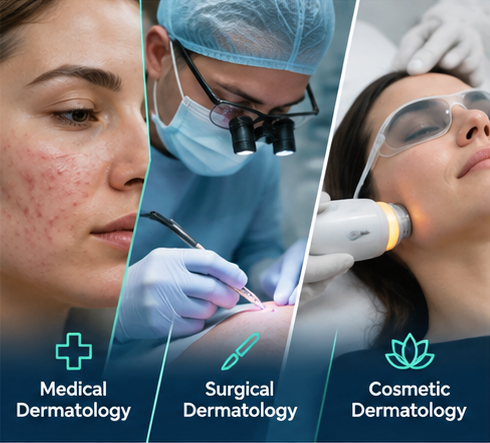
Patients seeking evaluation or treatment for acne, eczema, psoriasis, suspicious skin lesions, and other conditions often prioritize clinical expertise, appointment access, and clear service information. Growth strategies should make it easier for patients to find appropriate care and understand how to schedule.
Surgical Dermatology
Patients evaluating skin cancer procedures or other dermatologic surgery may place particular importance on provider qualifications, treatment information, referrals, and continuity of care. Trust, clarity, and accessibility are essential.
Cosmetic Dermatology
Patients considering injectables, laser treatments, skin rejuvenation, or other aesthetic services may follow a longer research and comparison process.
Educational content, provider credibility, appropriately consented treatment imagery, and convenient consultation pathways can help prospective patients make informed decisions.
Explore Dermatology Growth Opportunities by Market
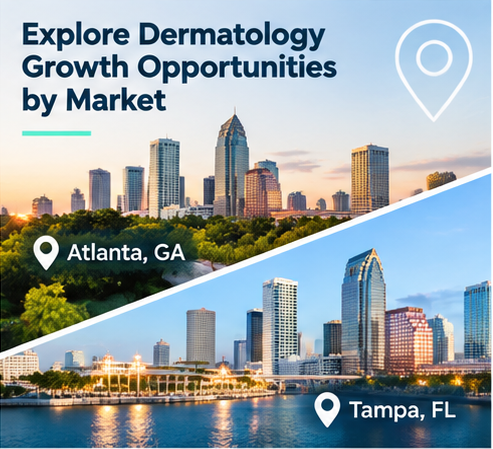
Dermatology practices operate in different competitive environments. Patient demographics, provider availability, service offerings, and local search visibility can influence growth opportunities.
MVotion's market-specific resources examine these factors to help practices identify areas for improvement.
Dermatology Marketing in Tampa, Florida
Explore patient acquisition, competitive positioning, and practice growth opportunities for dermatology providers serving the Tampa market.
Plastic Surgery Marketing in Atlanta, Georgia
Discover strategies for improving visibility, engagement, and competitive differentiation in the Atlanta metropolitan area.
Frequently Asked Questions
Practice Growth Assessment
Growth Begins with Understanding Your Practice
Every practice has different strengths, challenges, and opportunities. Before recommending solutions, MVotion begins by understanding where your practice stands today.
Our Practice Growth Assessment evaluates your current digital position, identifies potential growth barriers, and highlights opportunities to improve patient acquisition, engagement, and marketing performance.